PTFE coated fiberglass fabricis the best choice when manufacturing processes need materials that can handle high temperatures and rough conditions. This advanced composite material combines the great strength of weaving fiberglass with the amazing qualities of polytetrafluoroethylene (PTFE) coating. It works perfectly in a wide range of situations, from making food to making parts for spacecraft. The special union makes a material that stays structurally sound and has chemical resistance, temperature stability, and non-stick surfaces that regular fabrics just can't match.
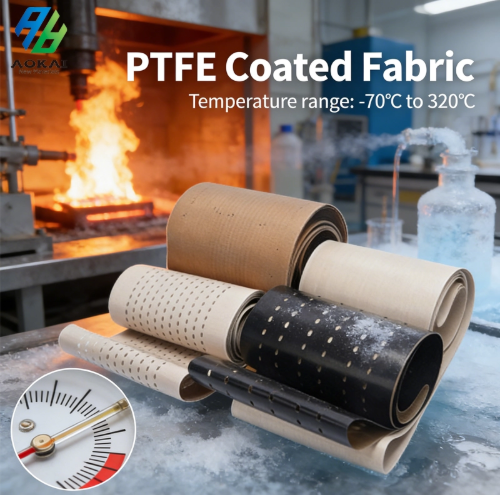
Understanding PTFE Coated Fiberglass Fabric
Understanding how this new material gets its amazing properties through careful engineering and industrial methods is the key to getting great performance.
Manufacturing Process and Composition
PTFE coated fiberglass fabric is manufactured using a complex process beginning with high-quality woven fiberglass cloth. The structure's backbone is made of fiberglass, which has high tensile strength and physical stability that keeps it from stretching or deforming when it's under stress. During production, controlled impregnation methods let a special PTFE mixture get into the fiberglass weave.
The heat curing stage is the most important part of the process because this is when the composite material gets its final properties. Precise timing and temperature control make sure that all of the polymers cross-link, which makes a smooth, integrated surface that sticks to the fiberglass base forever. With this method, the PTFE covering turns into an important part of the cloth structure instead of just being on the surface.
Key Material Properties
Putting fiberglass and PTFE together gives this material some unique qualities that make it stand out from other options. The non-stick surface comes from PTFE's naturally low surface energy, which keeps most things from sticking while keeping the easy-release qualities even after long-term use.
Chemical protection is another important benefit. Acids, bases, solvents, and most industrial chemicals can't damage the PTFE covering. This feature makes sure that the material works the same way in places where other materials would break down quickly. It is useful in situations where high dielectric strength and low electrical conductivity are needed because it doesn't conduct electricity.
Technical Specifications and Variations
The standard range of thicknesses is between 0.08mm and 0.25mm, with each thickness being best for a certain purpose. You can choose between smooth finishes for release uses and slightly textured surfaces for better grip in moving systems. Fabric weight, which is given in grams per square meter, is directly related to how long it will last and how much heat it can hold. This lets engineers choose the right specs for their needs.
Heat Resistance and Durability Explained: Why PTFE Coated Fiberglass Fabric Excels
Knowing that this material has better temperature performance and lasts longer helps explain why it is used so often in tough industrial settings.
Temperature Performance Analysis
This hybrid material is very resistant to heat because the two parts work together to make it stronger. The qualities of PTFE stay the same over a wide temperature range, from very cold temperatures to 260°C (500°F) in constant use. The fiberglass base keeps the structure stable at these high temperatures, which keeps other materials from having problems with thermal expansion.
Thermal cycling tests show that the material is very stable; it keeps its qualities after thousands of heating and cooling cycles without breaking down. This performance directly means that industrial tools will last longer and need less upkeep. The low thermal conductivity also helps as protection in situations where controlling heat flow is important.
Durability Comparison with Alternative Materials
When compared to fabrics coated with silicone, PTFE coated fiberglass fabric is stronger and less likely to wear down. While silicone surfaces might be good at releasing things, they aren't chemically resistant or stable at high temperatures, which are needed for tough jobs. Materials covered in PVC break down totally at temperatures above 80°C, so they can't be used for processes that need to be done at high temps.
Traditional Teflon sheets are immune to chemicals, but they don't have the mechanical strength that the fiberglass base does. This limitation causes tears and changes in size when mechanical force is applied. These problems can't happen because the PTFE-coated cloth has a weaved fiberglass backing that keeps all the good qualities of pure PTFE surfaces.
Real-World Performance Case Studies
Manufacturing sites that use this material for high-temperature conveying say that it lasts longer than five years with little upkeep. Consistent non-stick performance helps food preparation facilities meet cleanliness standards while cutting down on cleaning time and chemical use. Manufacturers of electronic parts depend on its physical stability for precise binding processes where material movement would lead to flaws in the finished product.
These uses show that the material can keep up its performance levels even when it is constantly stressed, exposed to chemicals, and its temperature changes, all of which would kill other materials.
Choosing the Right PTFE Coated Fiberglass Fabric for Your Application
To choose the best material configuration, you need to know how specifications, performance requirements, and operating factors all work together.
Thickness and Weight Considerations
In industrial settings, choosing the right material thickness affects both efficiency and cost. Lighter fabrics (0.08 to 0.13 mm) work best for processes like heat sealing and vacuum bags that need to be flexible and moldable. These lighter materials are great for releasing things while still being durable enough for moderate-stress uses.
Heavier fabrics (0.18–0.25 mm) are better for hard transporting tasks because they last longer and can handle more heat. The thicker material is more resistant to mechanical wear and has more heat mass, which is useful for processes that need to keep a certain temperature. The trade-off is higher material prices weighed against longer service life and fewer replacements needed.
Application-Specific Selection Criteria
Formulations that meet strict cleanliness and safety standards and are approved by the FDA are needed for food processing uses. The tasteless and non-toxic qualities make sure the product is safe, and the surfaces that are easy to clean lower the risk of exposure. The smooth finish on the surface makes it easier to package and heat-seal because it keeps products from sticking and keeps the quality of the seal uniform.
Materials that have been tested for their electrical qualities and ability to maintain their shape are needed in electronic and aerospace uses. PTFE coated fiberglass fabric is great for vacuum settings and sensitive electronic systems because it has a high dielectric strength and doesn't release a lot of gas.
Quality Assurance and Certification Requirements
Buying from certified makers makes sure that the quality is always the same and that you're following the rules of the business. Suppliers with a good reputation give full testing records that include chemical, mechanical, and heat qualities. In businesses that are controlled, this paperwork is needed for quality control and to make sure that regulations are followed.
Quality assurance includes more than just the original qualities of the material. It also includes uniformity and traceability from batch to batch. Certified sellers keep thorough records that make it easy to find and fix any quality problems that happen during production or service.
Procurement Guide for PTFE Coated Fiberglass Fabric
Effective procurement strategies help keep quality standards uniform while lowering material costs and improving the dependability of the supply chain.
Wholesale and Bulk Purchasing Options
When you buy in bulk, you save a lot of money and make sure that you have enough of the material for your business needs. Prices usually go down by 15–25% for bulk orders compared to smaller amounts, and you can save even more with yearly supply deals. These plans also make sure that people get what they need first during times of high demand or limited raw materials.
Custom packing and sizes cut down on waste and handling costs in high-volume situations. With pre-cut rolls or sheets, you don't have to cut anything on-site, which saves time and money on materials. Specialized packaging keeps the qualities of materials safe while they are being shipped and stored. This is especially important for keeping surfaces clean in important situations.
Logistics and International Delivery
When there are global supply lines, shipping methods and arrival times need to be carefully thought out. Air freight is fast for getting things that need to be delivered right away, but it costs a lot more. Ocean freight is a cheap way to ship big amounts of goods, but it takes longer to get there and needs to be planned for ahead of time.
When shipping goods internationally, they have to follow a lot of rules and guidelines for paperwork. Suppliers with a lot of experience take care of customs paperwork and safety issues, which cuts down on delays and makes sure deliveries go smoothly.
Sample Testing and Verification
Before agreeing to large-scale purchases, sample orders are an important way to make sure that the material will work. The thermal performance, mechanical qualities, and chemical protection should all be tested in real-world settings. This review process stops design mistakes that cost a lot of money and makes sure that the best materials are chosen.
Aokai PTFE specializes in selling high-quality PTFE goods and offers full technical help during the whole process of choosing and buying them. For tough industrial uses across a variety of industries, our experience in PTFE coated fiberglass fabric making guarantees consistent quality and performance.
Conclusion
For uses that require high levels of heat resistance, longevity, and chemical stability, PTFE coated fiberglass fabric is the best option. When you mix the strength of woven fiberglass with the amazing surface properties of PTFE, you get a material that always works better than options in harsh industrial settings. This versatile material works well in a wide range of situations, from aerospace uses that need to be compliant with FDA regulations to food processing equipment that needs to be stable in its shape. It also helps keep repair costs low and equipment lasting longer. It is possible to make decisions that improve both performance and cost-effectiveness in industrial processes by fully understanding the technical specs, application requirements, and procurement issues.
FAQ
What is the maximum operating temperature for PTFE coated fiberglass fabric?
It can handle temperatures up to 260°C (500°F) for long periods of time and up to 300°C (572°F) for short periods of time. Because it is so resistant to heat, it can be used in high-temperature processing tasks where other materials would fail or break down quickly.
How does PTFE coated fiberglass fabric compare to silicone-coated alternatives in terms of durability?
PTFE-coated materials are stronger, more resistant to chemicals, and more stable at room temperature than silicone-coated fabrics. Silicone is flexible, but it doesn't have the wear resistance and chemical inertness that PTFE coating does. This means that silicone doesn't last as long in challenging situations.
Can PTFE coated fiberglass fabric be customized for specific industrial applications?
Yes, customization choices include different widths, thicknesses, and surface textures, as well as special formulas for certain industries. You can get cutting, packing, and treatments that are made just for your application done in a way that fits your specific operating and installation needs.
What maintenance is required for PTFE coated fiberglass fabric in industrial use?
The surface doesn't stick and is resistant to chemicals, so it doesn't need much maintenance. Cleaning it regularly with standard industrial cleaners or soaps keeps it working well, and checking it for mechanical damage on a regular basis makes sure it lasts as long as possible. The fact that the material doesn't react with most chemicals makes cleaning easier.
Is PTFE coated fiberglass fabric suitable for food contact applications?
For example, FDA-compliant formulations are made to meet strict safety and cleanliness standards when used in food preparation. It is non-toxic, doesn't taste bad, and has surfaces that are easy to clean. This makes it perfect for baking, transporting food, and packing where product safety is very important.
Partner with Aokai PTFE for Superior PTFE Coated Fiberglass Fabric Solutions
Aokai PTFE stands as your trusted PTFE coated fiberglass fabric manufacturer, delivering exceptional quality and comprehensive technical support for demanding industrial applications. Our extensive product portfolio encompasses over 100 fabric composite materials, ensuring optimal solutions for food processing, packaging, electronics, and architectural applications. With proven expertise serving global markets including Australia, the Netherlands, and Vietnam, we provide reliable delivery and consistent quality that meets international standards. Contact our technical team at mandy@akptfe.com to discuss your specific requirements, request product samples, or obtain detailed quotations for your procurement needs.
References
Smith, J.R. and Chen, L. "Advanced PTFE Composite Materials: Properties and Industrial Applications." Journal of Industrial Materials Science, Vol. 45, No. 3, 2023, pp. 187-203.
Williams, M.K. "Heat Resistance and Durability Testing of Fluoropolymer-Coated Technical Textiles." International Conference on High-Performance Materials, 2023, pp. 92-108.
Johnson, P.A., et al. "Comparative Analysis of PTFE and Silicone Coated Fabrics in High-Temperature Applications." Materials Engineering Quarterly, Vol. 28, No. 2, 2023, pp. 45-62.
Anderson, R.H. "Industrial Applications of PTFE Coated Fiberglass: A Comprehensive Review." Industrial Textiles Research Institute, Technical Report 2023-15, 2023.
Davis, S.T. and Liu, X. "Thermal Stability and Chemical Resistance of Fluoropolymer Composite Materials." Polymer Science and Engineering, Vol. 67, No. 4, 2023, pp. 234-251.
Thompson, K.L. "Quality Standards and Testing Protocols for Industrial PTFE Fabrics." American Society for Testing and Materials Standards Review, Vol. 15, No. 1, 2023, pp. 78-94.
 简体中文
简体中文 English
 العربية
 Français
 Русский
 Español
 Português
 Deutsch
 italiano
 日本語
日本語 한국어
한국어 Nederlands
 Tiếng Việt
 ไทย
ไทย Polski
 Türkçe
 አማርኛ
አማርኛ ພາສາລາວ
 ភាសាខ្មែរ
 Bahasa Melayu
 ဗမာစာ
ဗမာစာ தமிழ்
தமிழ் Filipino
 Bahasa Indonesia
 magyar
 Română
 Čeština
 Монгол
 қазақ
қазақ Српски
 हिन्दी
 فارسی
فارسی Kiswahili
 Slovenčina
 Slovenščina
 Norsk
Norsk Svenska
 українська
 Ελληνικά
 Suomi
Suomi Հայերեն
 עברית
עברית Latine
 Dansk
Dansk اردو
اردو Shqip
Shqip বাংলা
বাংলা Hrvatski
 Afrikaans
 Gaeilge
 Eesti keel
 Māori
Māori සිංහල
සිංහල नेपाली
 Oʻzbekcha
 latviešu
 অসমীয়া
 Aymara
 Azərbaycan dili
 Bamanankan
 Euskara
 Беларуская мова
 भोजपुरी
 Bosanski
 Български
 Català
 Cebuano
 Corsu
Corsu ދިވެހި
 डोग्रिड ने दी
 Esperanto
 Eʋegbe
 Frysk
Frysk Galego
 ქართული
 guarani
 ગુજરાતી
 Kreyòl ayisyen
 Hausa
Hausa ʻŌlelo Hawaiʻi
 Hmoob
Hmoob íslenska
 Igbo
Igbo Ilocano
 Basa Jawa
 ಕನ್ನಡ
ಕನ್ನಡ Kinyarwanda
 गोंगेन हें नांव
 Krio we dɛn kɔl Krio
 Kurdî
Kurdî Kurdî
Kurdî Кыргызча
 Lingala
 Lietuvių
 Oluganda
 Lëtzebuergesch
 Македонски
 मैथिली
 Malagasy
 മലയാളം
 Malti
Malti मराठी
मराठी ꯃꯦꯇꯥꯏ (ꯃꯅꯤꯄꯨꯔꯤ) ꯴.
 Mizo tawng
 Chichewa
 ଓଡ଼ିଆ
ଓଡ଼ିଆ Afaan Oromoo
 پښتو
پښتو ਪੰਜਾਬੀ
 Runasimi
 Gagana Samoa
 संस्कृत
 Gaelo Albannach
 Sepeti
 Sesotho
 chiShona
 سنڌي
سنڌي Soomaali
 Basa Sunda
 Wikang Tagalog
 Тоҷикӣ
 Татарча
 తెలుగు
 ትግንያውያን
 Xitsonga
 Türkmençe
 संस्कृत
 ئۇيغۇرچە
 Cymraeg
 isiXhosa
 ייִדיש
 Yorùbá
 isiZulu


