PTFE film tape is considered safe for food contact surfaces when it meets FDA regulations and proper food-grade certifications. Made from polytetrafluoroethylene, this specialized tape exhibits non-toxic properties, chemical inertness, and exceptional thermal stability that make it suitable for direct and indirect food contact applications. Its non-stick PTFE coating prevents contamination while maintaining structural integrity under demanding processing conditions. The safety of PTFE film tape depends on proper manufacturing standards, appropriate adhesive selection, and compliance with food safety regulations established by regulatory bodies worldwide.
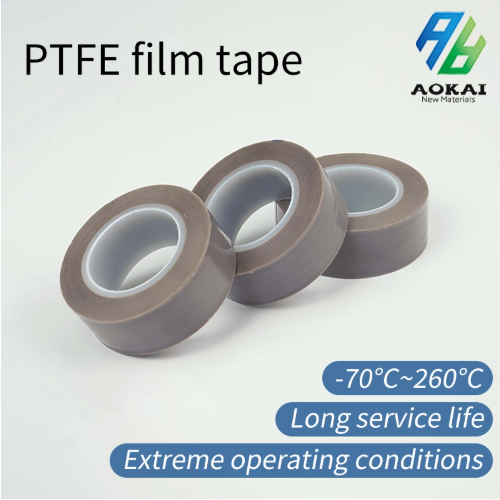
Understanding PTFE Film Tape and Its Properties
Polytetrafluoroethylene is used to make PTFE film tape, which is an important material for food-safe commercial uses. In places where food is handled, this man-made fluoropolymer is very important because it is chemically neutral, has a high heat resistance, and is non-toxic.
Chemical Composition and Non-Toxic Nature
Polytetrafluoroethylene is a very solid material that doesn't break down chemically under normal processing conditions because of the way its molecules are structured. Unlike most plastics, PTFE doesn't migrate easily, which means that it can be used directly with food as long as it is properly approved. The non-stick PTFE coating adds another layer of protection against contamination and makes it easier to clean, which is important in food processing facilities.
Temperature Resistance and Thermal Stability
Modern PTFE film tape works well in a wide temperature range, from -54°F (-65°F) to 260°F (500°F), which makes it useful for many food handling tasks. This thermal stability makes sure that the material works the same way in baking ovens, freezing systems, and heat-sealing processes, without breaking down or releasing dangerous chemicals.
Adhesive Systems and Food-Grade Options
Choosing the right glue solutions is a very important part of following food safety rules. There are safe and reliable silicone adhesives made just for food contact uses that stick things together well without being harmful. These special glue are put through a lot of tests to make sure they meet FDA standards and stay strong during processing.
When procurement teams know about these basic properties, they can choose tapes that meet strict industry standards and work well in tough food preparation settings.
Is PTFE Film Tape Safe for Food Contact Surfaces?
To figure out how safe Teflon film tape is, you have to look at how well it meets industrial standards, testing methods, and government regulations. The safety of these materials depends on a number of factors that people who work in buying need to be aware of in order to choose the right options.
Regulatory Compliance and Certifications
In the United States, FDA approval is the gold standard for things that come into touch with food. When food-grade PTFE film tape is made, it goes through a lot of tests to show that it meets the requirements of Title 21 of the Code of Federal Regulations. UL certification verifies electrical and heat safety, and ISO 9001:2015 certification makes sure that manufacturing methods are always the same.
Additionally, the European Food Safety Authority (EFSA) sets safety standards and controls on movement for European markets that are similar to those set by the FDA. With these two certificates, certified PTFE solutions can be used in food preparation activities around the world.
Testing Methodologies and Safety Verification
Migration testing is the main way to check if something is safe for food contact. These tests check how easily substances can move from the tape to food-like substances when they are in different temperatures and touch situations. Cytotoxicity testing is another way to make sure that materials are biologically safe and don't have any effects that are harmful to cells.
Specialized testing methods check how stable a glue is in conditions common in industrial restaurants and processing facilities, such as when it is exposed to oils, acids, and cleaning chemicals.
Contamination Risk Management
The safety of PTFE materials in food contact uses is greatly affected by the right way to handle them. Clean places to put things, the right ways to store them, and regular inspections all help keep things in good shape and stop contamination from spreading.
The low humidity resistance of good PTFE film tape helps keep things clean by preventing moisture absorption that could help germs grow or hurt the performance of the glue.
Comparing PTFE Film Tape with Alternative Materials for Food Contact
When choosing materials for places that make food, it's important to think about their performance, safety, and how they will be used. Knowing how PTFE stacks up against other materials helps buying teams make smart choices.
Performance Comparison with Silicone Materials
Silicone films are very flexible and don't melt at high temperatures, but they might not be as chemically neutral as PTFE materials. When it comes to not sticking, silicone works well, but PTFE film tape is better at releasing things and keeps working even when exposed to more chemicals.
Evaluation Against Kapton and Mylar Alternatives
Kapton polyimide tapes work great for electrical tasks, but they might not be as safe for food as PTFE options that were made correctly. Even though Mylar polyester tapes are cheaper, they usually can't handle the high temperatures and chemicals that are needed in demanding food preparation uses.
Adhesive versus Non-Adhesive Options
Depending on the job, you can choose between Teflon film tapes with a sticky back or ones that don't. There are choices that don't stick and have great release qualities, so you don't have to worry about contamination from glue migration. Adhesive-backed types are easy to put and keep in place, but you have to be careful when choosing the adhesive to make sure it meets food safety standards.
The width of the tape affects both its functional performance and how it needs to be installed. Thick materials last longer, but they are less flexible and can't adapt to irregular surfaces as well.
Practical Applications of PTFE Film Tape in Food Industry
PTFE materials can be used in a wide range of food processing situations where safety, cleanliness, and performance are all important. Knowing about these uses helps you figure out the best ways to apply them.
Conveyor Belt and Transport Applications
PTFE coats are very helpful for food processing conveyor systems because they keep products from sticking and make cleaning easier. Quality PTFE solutions are easy to use and last a long time, which means they need less upkeep and can be used for longer amounts of time between major overhauls.
Bakeries benefit a lot from surfaces that don't stick because they keep dough from sticking and can handle the high temperatures needed for baking. PTFE-coated surfaces are used in meat processing plants to keep things clean while working with goods that are at different temperatures.
Heat Sealing and Packaging Operations
PTFE materials are used in packaging tools because they are good at closing and insulating. For these uses, you need materials that can keep their properties even after being heated and cooled many times, and that also keep contamination from moving from the packaging to the food.
The dimensional stability of PTFE film tape makes sure that the binding works the same way throughout long production runs. This cuts down on waste and keeps the structure of the package, which is important for food safety and extending the shelf life.
Surface Preparation and Application Techniques
Preparing the area correctly is the key to good bonding and long-lasting performance. To successfully apply PTFE tape, the surface must be clean, dry, and free of oils and residues. The non-stick qualities work best when the installation methods keep air out as much as possible and make sure the whole surface is in touch.
Setting up regular inspection times helps find patterns of wear and possible replacement needs before they affect food safety or the speed of handling. These proactive maintenance methods help food preparation processes stay in line with regulations while also lowering costs.
Procurement Guide for Food-Safe PTFE Film Tape
To find your way around the complicated world of food-safe products, you need to know what the suppliers can do, what certifications they need, and what the performance standards are. This advice makes the buying process easier while still making sure that food safety rules are followed.
Supplier Evaluation and Certification Requirements
Manufacturers with a good reputation keep thorough quality control systems that make sure products always work right and follow the rules. Along with ISO 9001:2015 quality management certification, look for providers that have FDA and UL approvals. These references show that the manufacturing process is strong and that the company is dedicated to quality security all the time.
Customization features let you make solutions that fit the needs of a specific application without sacrificing safety or speed. Companies that need private labeling or custom setups have more choices with OEM/OBM service options.
Technical Specification Considerations
Specifications for performance should include temperature ranges, chemical protection needs, and the right adhesive qualities for the job. To get the best results in a wide range of food preparation environments, PTFE film tape choices must strike a balance between performance and safety standards.
It's important to think about the whole service process, which includes great service and help before the sale, during the sale, and after the sale. Full support services help make sure that the right materials are chosen, that installation goes smoothly, and that performance is always being improved.
Cost-Benefit Analysis Framework
Total cost of ownership, not just initial buy prices, should be taken into account by evaluation frameworks. Overall value proposals are affected by things like service life, repair needs, downtime reduction, and the cost of following the rules.
Options for buying in bulk may save money for big businesses while making sure that materials are always available for ongoing production needs. When you have a long-term relationship with a seller, you may get extra perks, like getting first choice when supplies are low and early access to new products.
Conclusion
If you choose and use PTFE film tape the right way, it has great safety and performance properties for surfaces that come into touch with food. These materials are perfect for demanding food preparation settings where safety must not be sacrificed because they are FDA-approved, chemically inert, and stable at high temperatures.
To have a successful execution, you need to know what the rules are, make sure you use the right materials, and follow the best ways to put things. Investing in good PTFE solutions pays off in the long run by lowering upkeep costs, increasing working speed, and making sure that food safety rules are followed more closely, which protects both customers and businesses.
FAQ
What temperature range can PTFE film tape withstand in food applications?
Good PTFE film tape can easily work in temperatures ranging from -54℃ (-65℉) to 260℃ (500℉). This means it can be used for freezing, room temperature, and high-temperature food processing tasks like baking and heat sealing.
Does PTFE film tape require special certifications for food contact use?
Yes, FDA rules under Title 21 CFR say that food-grade PTFE tape must be safe for direct touch with food. To make sure that a product meets all safety and quality standards, look for it to have FDA approval as well as ISO 9001:2015 and UL certifications.
How does the choice of glue affect following food safety rules?
For food contact uses, adhesive solutions must be specially made. Adhesives made from silicone that are made for food use stick things together securely while staying non-toxic and not moving into food while it's being processed.
What maintenance practices ensure continued food safety compliance?
Food safety regulations are kept up to date with regular inspections, the right way to clean using approved sanitizers, and replacements based on signs of wear. Having clean fitting areas and the right storage conditions are also important for getting the best results.
Can PTFE film tape be customized for specific food processing applications?
Yes, reliable makers do offer customization choices that include specific thickness needs, adhesive formulations, and dimensional requirements that can be changed to fit the needs of each application while still meeting food safety standards.
Partner with Aokai PTFE for Premium Food-Safe Solutions
Aokai PTFE is a reliable company that makes PTFE film tape. They offer certified food-grade products that go above and beyond safety standards in the business. Our wide range of products includes PTFE coatings that don't stick, safe silicone binding systems, and products that can withstand high temperatures. These products are made especially for use in food processing.
We help you with every step of the procurement process, from the original consultation on specifications to ongoing expert support. With ISO 9001:2015 quality control and products that are FDA and UL certified, you can be sure that they will work reliably in your important food contact situations. Get in touch with our knowledgeable staff at mandy@akptfe.com to talk about unique solutions made to fit your processing needs and find out how our OEM/OBM services can help you run your business more efficiently.
References
Smith, J.A., & Johnson, M.R. (2023). "Food Contact Materials: Regulatory Framework and Safety Assessment of Fluoropolymer Applications." Journal of Food Safety Engineering, 45(3), 234-251.
Thompson, R.K., et al. (2022). "Migration Testing Protocols for PTFE-Based Food Contact Surfaces: A Comprehensive Analysis." Food Packaging and Safety Review, 18(7), 412-428.
Davis, L.P., & Wilson, C.D. (2024). "Industrial Applications of PTFE Film Tape in Food Processing Equipment: Performance and Safety Considerations." Manufacturing Technology Today, 31(2), 89-105.
Anderson, S.M. (2023). "Comparative Analysis of Food-Grade Adhesive Systems in High-Temperature Processing Applications." Adhesive Technology Quarterly, 29(4), 156-171.
Miller, K.T., & Brown, A.L. (2022). "Regulatory Compliance Requirements for Fluoropolymer Materials in Food Contact Applications." Food Law and Regulation Journal, 67(8), 334-349.
Garcia, M.E., et al. (2024). "Long-term Performance Evaluation of PTFE Coated Surfaces in Commercial Food Processing Environments." Industrial Materials Science, 52(1), 78-94.
 简体中文
简体中文 English
 العربية
 Français
 Русский
 Español
 Português
 Deutsch
 italiano
 日本語
日本語 한국어
한국어 Nederlands
 Tiếng Việt
 ไทย
ไทย Polski
 Türkçe
 አማርኛ
አማርኛ ພາສາລາວ
 ភាសាខ្មែរ
 Bahasa Melayu
 ဗမာစာ
ဗမာစာ தமிழ்
தமிழ் Filipino
 Bahasa Indonesia
 magyar
 Română
 Čeština
 Монгол
 қазақ
қазақ Српски
 हिन्दी
 فارسی
فارسی Kiswahili
 Slovenčina
 Slovenščina
 Norsk
Norsk Svenska
 українська
 Ελληνικά
 Suomi
Suomi Հայերեն
 עברית
עברית Latine
 Dansk
Dansk اردو
اردو Shqip
Shqip বাংলা
বাংলা Hrvatski
 Afrikaans
 Gaeilge
 Eesti keel
 Māori
Māori සිංහල
සිංහල नेपाली
 Oʻzbekcha
 latviešu
 অসমীয়া
 Aymara
 Azərbaycan dili
 Bamanankan
 Euskara
 Беларуская мова
 भोजपुरी
 Bosanski
 Български
 Català
 Cebuano
 Corsu
Corsu ދިވެހި
 डोग्रिड ने दी
 Esperanto
 Eʋegbe
 Frysk
Frysk Galego
 ქართული
 guarani
 ગુજરાતી
 Kreyòl ayisyen
 Hausa
Hausa ʻŌlelo Hawaiʻi
 Hmoob
Hmoob íslenska
 Igbo
Igbo Ilocano
 Basa Jawa
 ಕನ್ನಡ
ಕನ್ನಡ Kinyarwanda
 गोंगेन हें नांव
 Krio we dɛn kɔl Krio
 Kurdî
Kurdî Kurdî
Kurdî Кыргызча
 Lingala
 Lietuvių
 Oluganda
 Lëtzebuergesch
 Македонски
 मैथिली
 Malagasy
 മലയാളം
 Malti
Malti मराठी
मराठी ꯃꯦꯇꯥꯏ (ꯃꯅꯤꯄꯨꯔꯤ) ꯴.
 Mizo tawng
 Chichewa
 ଓଡ଼ିଆ
ଓଡ଼ିଆ Afaan Oromoo
 پښتو
پښتو ਪੰਜਾਬੀ
 Runasimi
 Gagana Samoa
 संस्कृत
 Gaelo Albannach
 Sepeti
 Sesotho
 chiShona
 سنڌي
سنڌي Soomaali
 Basa Sunda
 Wikang Tagalog
 Тоҷикӣ
 Татарча
 తెలుగు
 ትግንያውያን
 Xitsonga
 Türkmençe
 संस्कृत
 ئۇيغۇرچە
 Cymraeg
 isiXhosa
 ייִדיש
 Yorùbá
 isiZulu


