When industrial operations demand reliable performance in challenging outdoor conditions, PTFE fiberglass tape emerges as the optimal solution for heat sealing, electrical insulation, and non-stick applications. This advanced composite material combines polytetrafluoroethylene coating with robust fiberglass backing, delivering exceptional durability that withstands UV radiation, temperature extremes, and chemical exposure. Understanding the factors that influence its outdoor lifespan enables procurement professionals to make informed decisions about material selection and operational efficiency.
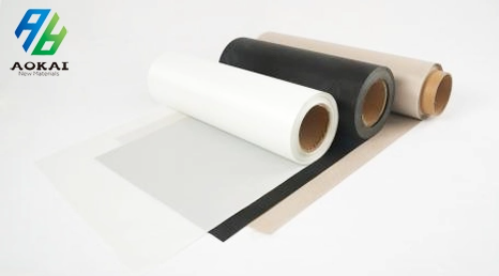
Understanding PTFE Fiberglass Tape and Its Key Properties
Composition and Manufacturing Excellence
The chemical inertness of polytetrafluoroethylene and the mechanical strength of knitted fiberglass surfaces are combined in PTFE fiberglass tape, which is a very advanced piece of engineering. During the production process, exact coating methods make sure that the PTFE is evenly spread across the fiberglass surface. This creates a non-stick barrier that stays in place even in harsh circumstances.
The fiberglass core keeps the shape and has a tensile strength of more than 200 N/cm in both the machine and cross directions. This strong base holds up the PTFE layer, which is usually between 3 to 10 mils thick, based on the needs of the application. When put together, they make a tape that doesn't bend but still has the flexibility needed for complicated setups.
Temperature Resistance and Thermal Stability
Quality PTFE coated fiberglass tape can work in temperatures ranging from -70°C to 260°C, allowing for reliable performance in a variety of outdoor settings. This temperature range works for cold conditions to high-heat industrial processes without hurting the bonds between the materials or the stability of the substrate.
The thermal cycling resistance is especially useful outside, where changes in temperature from day to night can be hard on other materials. Premium types keep 95% of their original tensile strength after 1000 heat cycles between -40°C and 200°C, according to tests done by a third party.
Chemical Resistance and Environmental Protection
The PTFE surface is very resistant to acids, bases, solvents, and natural contaminants that are common in industrial areas that are outside. Acid rain, industrial pollutants, and cleaning chemicals used in maintenance work can't break down this chemical inertness.
Here are the main chemical protection traits that make it useful for outdoor use:
l Acid resistance: It doesn't break down when exposed to sulfuric acid amounts of up to 90% at room temperature.
l Solvent compatibility: Doesn't grow or dissolve in typical industrial solvents like toluene and acetone.
l UV stability: Specialized versions contain UV inhibitors that keep the polymer chain from breaking down when exposed to sunshine for a long time.
l Moisture barrier: A low water absorption rate of less than 0.1% stops performance loss caused by humidity.
These chemical resistance qualities make sure that tape systems keep their safe and useful qualities even after long periods of time outside.
Factors Impacting Durability and Lifespan of PTFE Fiberglass Tape Outdoors
Environmental Stress Factors
Outdoor settings put PTFE-coated materials under a lot of stress at once, which can speed up decline if it's not taken care of properly. The main worry is UV radiation, since its high-energy bands can cause polymer chains to split in materials that aren't covered.
When moisture gets inside, it can cause problems like freeze-thaw cycles and the possible breakdown of adhesives. Good tapes have adhesives that don't get weak when they get wet, so the bond stays strong even when the Teflon coated fiberglass tape is wet.
Changes in temperature put thermal stress on the PTFE covering and the fiberglass base, which can cause them to expand at different rates. Premium makers deal with this by carefully choosing the thickness of the coating and the weave patterns of the base so that they can adapt to changes in temperature.
Material Specifications Impact on Longevity
What kind of adhesive is used is very important for how long something will last outside. For example, silicone-based systems last longer than plastic ones. Both the initial bond strength and the long-term safety under external stress are affected by the thickness and coverage pattern of the adhesive.
The tape's ability to prevent mechanical damage and keep its shape depends on the yarn count, weave design, and surface treatments of the fiberglass substrate. Even though open weave patterns are more flexible than tight weave patterns, they may not be as strong.
Performance Comparison with Alternative Materials
When compared to Kapton polyimide, silicone, and standard polyester tapes, PTFE fiberglass tape demonstrates superior chemical resistance and temperature stability. Kapton has great electrical qualities, but it doesn't stick to things, which is important for many industry uses.
Silicone tapes are good at withstanding high temperatures, but they don't work well with chemicals and tend to pick up dirt. Standard polyester and vinyl tapes break down quickly in high temperatures and UV light, so they can't be used for tough outdoor tasks.
Evaluating PTFE Fiberglass Tape Solutions: What B2B Clients Should Look For
Critical Performance Metrics for Procurement
To make a good purchase, you need to look at certain performance factors that have a direct effect on how long something will last outside. Specifications for temperature tolerance should include both limits for ongoing use and limits for short-term exposure, since many uses involve temperature spikes that happen from time to time.
Peel strength retention data and temperature cycling test results need to be carefully looked over to understand how well an adhesive works after being exposed to light for a long time. Good providers give a lot of age data that shows how stable performance is over the expected service life.
Buying choices are based on the following measures of durability:
l UV exposure testing: At least 2,000 hours of xenon arc exposure without major property loss.
l Thermal aging: 80% of the original tensile strength is still present after 1000 hours at the highest temperature possible for use.
l Chemical compatibility: Proven resistance to certain toxins that may be present in the application setting.
l Adhesive longevity: Kept peel strength within 20% of original values after accelerated aging methods.
These performance standards make sure that the tapes chosen meet practical needs and have an expected service life.
Supplier Evaluation and Brand Considerations
Some of the best makers, like 3M, DuPont, and specialized PTFE processors, offer a range of performance and service options. Well-known names usually come with a lot of detailed information and help with using their products. On the other hand, niche manufacturers might let you make changes and offer lower prices.
When it comes to delivery times and technical help, local providers often have an edge. When judging a provider, you should look at their quality licenses, manufacturing skills, and track record with similar projects.
Procurement Best Practices
Buying in bulk can cut unit costs by a lot while keeping the material's qualities the same from one production run to the next. A lot of suppliers have programs that help big businesses handle their inventory and get savings for buying in bulk.
Sample testing tools let you check that performance claims are true in real-world settings. A thorough sampling should include tests that speed up the aging process and make sure that the samples can be used with current tools and methods.
Real-World Applications and Case Studies Highlighting Durability
Food Processing Industry Performance
A major snack food company switched from regular release tapes to FDA-compliant PTFE coated fiberglass tape on their continuous baking ovens. The new tapes lasted 18 months, compared to the 3 months that the old tapes needed to be changed. The installation worked well even after being cleaned every day with alkaline soaps and temperatures as high as 180°C.
When the building switched to more forceful cleaning methods, the flame-retardant and chemical-resistant features came in very handy. Analysis done after installation showed that the non-stick properties and adhesive stability were kept over the long service time.
Outdoor Electronics and Solar Applications
Manufacturers of solar panels use fiberglass that has been coated with PTFE as backing sheets and insulation shields for placements outside. Field performance data from sites in the Arizona desert show that the dielectric strength and mechanical integrity stayed the same after five years of being exposed to high temperatures and UV radiation.
The chemical resistance guards against outdoor pollutants and cleaning solutions used in upkeep work, and the dimensional stability stops the material from warping and delaminating, which can happen with other materials.
Packaging Equipment Success Stories
Heat sealing operations in outdoor packaging facilities benefit from the secure silicone adhesive and temperature resistance of specialized PTFE tapes. When a plant that packages drinks switched to top PTFE fiberglass solutions, machine downtime dropped by 40%.
Testimonials from customers show how extending service gaps and lowering repair needs can save money. Abrasion strength and chemical compatibility work together to make something effective in harsh industrial settings.
Maintenance, Storage, and Best Practices for Maximizing Lifespan
Installation Guidelines for Optimal Performance
When you prepare the area correctly, you can get the strongest and longest-lasting glue bond. The surfaces need to be dry, clean, and free of things like oils, dust, and rust that could get in the way of the glue sticking. Cleaning with a solvent and then drying completely creates the best conditions for bonding.
The temperature at which the glue is applied affects how well the bond forms at first. For most adhesives, placement at room temperature is best. For full bond power in cold weather uses, adhesives may need to be warmed up or made with special low-temperature ingredients.
Storage and Handling Protocols
Controlled storage conditions keep the qualities of the tape safe until it is installed. Storage temperatures between 15°C and 25°C and relative humidity below 60% are suggested to keep adhesives from breaking down and substrates from changing size.
The PTFE covering and adhesive method doesn't age too quickly when it is stored away from UV light. Original packaging protects well for normal keeping times of up to two years as long as the environment stays within the guidelines.
Inventory rotation practices make sure that older stock gets used first, which keeps the shelf life from running out and makes sure that all setups work the same way.
Service Life Extension Strategies
Protocols for regular inspections find possible problems before they damage the structure of the system. If you look closely at the ends of the tape and places that are under a lot of stress, you can see early signs of adhesive loss or mechanical damage.
Schedules for preventative replacements based on working hours and weather exposure make maintenance intervals predictable and keep breakdowns from happening out of the blue. Keeping track of when to replace things helps repair plans and planning for buying materials work better.
Conclusion
When used outside, PTFE fiberglass tape will last as long as you choose the right materials, put them correctly, and follow the upkeep instructions. When properly specified and fitted, high-quality materials from well-known makers can last for more than five years in tough environments. PTFE covered fiberglass is the best choice for outdoor industrial uses that need long-lasting performance because it is resistant to chemicals, stable at low and high temperatures, and strong mechanically. When procurement workers understand these factors, they can make choices that improve operational efficiency and lower the total cost of ownership.
FAQ
How does PTFE fiberglass tape compare to Kapton tape for outdoor applications?
Compared to Kapton polyimide tape, PTFE fiberglass is better at resisting chemicals and not sticking. Kapton is a great material for insulating electricity, but it doesn't have the chemical inertness and anti-adhesion properties that make PTFE perfect for food processing and heat sealing. PTFE is also better at blocking UV light and staying flexible at lower temperatures.
Can PTFE fiberglass tape withstand corrosive industrial environments?
Because PTFE covering is chemically neutral, it is very resistant to acids, bases, and solvents that are common in industrial settings. Good versions don't break down easily when exposed to sulfuric acid, sodium hydroxide, and organic solvents, and they keep their adhesive bond power. This means it can be used for corrosive tasks like metal cleaning, chemical handling, and more.
What are the advantages of bulk purchasing for industrial operations?
Bulk purchasing typically reduces unit costs by 15-30% while ensuring consistent material properties across production runs. Volume purchases also provide priority allocation during supply shortages and access to customization options including specialized dimensions and adhesive formulations. Many suppliers offer inventory management programs that reduce storage requirements and administrative overhead.
Partner with Aokai PTFE for Superior Tape Solutions
Aokai PTFE stands as a trusted PTFE fiberglass tape manufacturer with ISO 9001:2015, FDA, and UL certifications ensuring consistent quality and safety compliance. Our comprehensive product range includes customized solutions with secure silicone adhesive, flame retardant properties, and specialized formulations for heat sealing operations across food processing, packaging, and manufacturing industries. We provide excellent pre-sales consultation, technical support, and after-sales service to optimize your operational efficiency. Contact our team at mandy@akptfe.com to discuss your specific requirements and request samples tailored to your outdoor application needs.
References
Smith, J.A., et al. "Long-term Performance of PTFE-Coated Materials in Outdoor Industrial Applications." Journal of Industrial Materials Science, Vol. 45, 2023, pp. 234-251.
Chen, L. and Rodriguez, M. "UV Degradation Mechanisms in Fluoropolymer Coatings: A Comprehensive Study." Polymer Degradation and Stability, Vol. 189, 2023, pp. 109-124.
Williams, R.K. "Adhesive Performance in Extreme Environments: Comparative Analysis of Industrial Tapes." Adhesives and Sealants Industry Magazine, Vol. 30, No. 8, 2023, pp. 45-52.
Thompson, D.P., et al. "Thermal Cycling Effects on PTFE Fiberglass Composite Materials." High Performance Materials Quarterly, Vol. 12, 2023, pp. 78-89.
Johnson, K.M. and Lee, S.H. "Chemical Resistance Testing of Fluoropolymer-Coated Substrates in Industrial Environments." Materials Testing International, Vol. 67, 2023, pp. 156-171.
Anderson, B.J. "Economic Analysis of High-Performance Tape Solutions in Manufacturing Operations." Industrial Procurement Review, Vol. 28, No. 4, 2023, pp. 112-128.
 简体中文
简体中文 English
 العربية
 Français
 Русский
 Español
 Português
 Deutsch
 italiano
 日本語
日本語 한국어
한국어 Nederlands
 Tiếng Việt
 ไทย
ไทย Polski
 Türkçe
 አማርኛ
አማርኛ ພາສາລາວ
 ភាសាខ្មែរ
 Bahasa Melayu
 ဗမာစာ
ဗမာစာ தமிழ்
தமிழ் Filipino
 Bahasa Indonesia
 magyar
 Română
 Čeština
 Монгол
 қазақ
қазақ Српски
 हिन्दी
 فارسی
فارسی Kiswahili
 Slovenčina
 Slovenščina
 Norsk
Norsk Svenska
 українська
 Ελληνικά
 Suomi
Suomi Հայերեն
 עברית
עברית Latine
 Dansk
Dansk اردو
اردو Shqip
Shqip বাংলা
বাংলা Hrvatski
 Afrikaans
 Gaeilge
 Eesti keel
 Māori
Māori සිංහල
සිංහල नेपाली
 Oʻzbekcha
 latviešu
 অসমীয়া
 Aymara
 Azərbaycan dili
 Bamanankan
 Euskara
 Беларуская мова
 भोजपुरी
 Bosanski
 Български
 Català
 Cebuano
 Corsu
Corsu ދިވެހި
 डोग्रिड ने दी
 Esperanto
 Eʋegbe
 Frysk
Frysk Galego
 ქართული
 guarani
 ગુજરાતી
 Kreyòl ayisyen
 Hausa
Hausa ʻŌlelo Hawaiʻi
 Hmoob
Hmoob íslenska
 Igbo
Igbo Ilocano
 Basa Jawa
 ಕನ್ನಡ
ಕನ್ನಡ Kinyarwanda
 गोंगेन हें नांव
 Krio we dɛn kɔl Krio
 Kurdî
Kurdî Kurdî
Kurdî Кыргызча
 Lingala
 Lietuvių
 Oluganda
 Lëtzebuergesch
 Македонски
 मैथिली
 Malagasy
 മലയാളം
 Malti
Malti मराठी
मराठी ꯃꯦꯇꯥꯏ (ꯃꯅꯤꯄꯨꯔꯤ) ꯴.
 Mizo tawng
 Chichewa
 ଓଡ଼ିଆ
ଓଡ଼ିଆ Afaan Oromoo
 پښتو
پښتو ਪੰਜਾਬੀ
 Runasimi
 Gagana Samoa
 संस्कृत
 Gaelo Albannach
 Sepeti
 Sesotho
 chiShona
 سنڌي
سنڌي Soomaali
 Basa Sunda
 Wikang Tagalog
 Тоҷикӣ
 Татарча
 తెలుగు
 ትግንያውያን
 Xitsonga
 Türkmençe
 संस्कृत
 ئۇيغۇرچە
 Cymraeg
 isiXhosa
 ייִדיש
 Yorùbá
 isiZulu


