To make industrial materials much better, PTFE coated fiberglass fabric is added. It is stronger than woven fiberglass and can handle chemicals and heat better than PTFE. Now, everything needs this special mix of materials. Things will last longer, be safer, and work better if you do this. This cloth is used by companies all over the world that make things to deal with tough problems that come up when workers are exposed to chemicals, hard conditions, and high temperatures. It is the goal of this in-depth guide to help global B2B buyers who need reliable choices for their production processes understand what PTFE coated fiberglass fabric is, how to choose it, and how to use it. This site is for people who have to make decisions, like buying managers, engineers, and OEM clients. It has technical information and helpful tips that can help them pick the right materials, trust reliable sources, and make their sourcing strategies better.
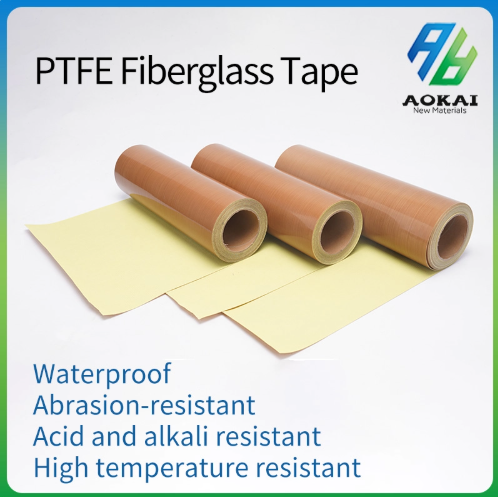
What is PTFE Coated Fiberglass Fabric?
Before we can figure out what PTFE coated fiberglass fabric is made of and how it works, we need to look at how it is made and what it looks like by itself. An exact technical method is used to make this one-of-a-kind material. High-quality PTFE glue is mixed with either plain or satin-weaved fiberglass cloth. Then, this is heated in a controlled way to make a smooth, long-lasting composite material that is fully merged.
Manufacturing Process and Composition
The experts use complicated methods to make this high-tech fabric. These methods make sure that the PTFE covering and the fiberglass base stick together correctly. The inner core made of fiberglass is very stable and strong, so it doesn't stretch or tear when mechanical force is put on it. The PTFE coating on the outside makes the material non-stick, resistant to heat, and chemical-proof. This makes it very useful in tough industrial settings.
Core Physical and Chemical Properties
PTFE coated fiberglass fabric performs much better when compared to regular industrial linens. The material is very resistant to heat and works well in temperatures from -60°C to 260°C (500°F). This makes it great for places where the temperature is either high or low. The surface doesn't stick and has a low friction coefficient, which makes it simple to clean and free, both of which are very important in production.
The PTFE layer is chemically neutral, which means that most acids, bases, solvents, and acidic substances can't damage it. When the construction is put under mechanical stress, the fiberglass structure below makes it strong. Putting these traits together makes a material that can last for a long time and do a good job in tough industrial settings.
Comparative Analysis with Alternative Materials
Fiberglass that is covered with PTFE lasts longer and can be used in more settings than fabrics that are treated with silicone, PVC, or polyester. Silicone-coated materials are bendable, but they don't hold up as well at high temperatures or against chemicals as PTFE does. PVC-coated materials are cheap, but they can't stand up to the heat or chemicals that are common in tough industrial settings.
Key Uses and Applications of PTFE Coated Fiberglass Fabric in Manufacturing
PTFE coated fiberglass fabric is useful in many industry settings because it has a unique set of traits that make it work well in those settings.
Food Processing Industry Applications
In the food handling business, this high-tech cloth is very important for keeping things clean, making sure they work well, and meeting strict safety standards. Bakeries use PTFE mesh belts and transport systems to make sure that baked goods don't stick. The material is made in a way that is FDA-compliant, which makes sure that food is safe, and it can handle high temperatures for baking.
Because the surface doesn't stick, snack food businesses use these fabrics to dry and cook their food. It's also easy to clean between production runs. The material doesn't combine with oils, fats, or cleaning products. This is good for meat processing plants because it makes sure that the equipment always works well even when strict rules about cleanliness are in place.
Packaging and Textile Industry Solutions
The packing industry uses PTFE coated fiberglass fabric for heat-sealing and laminating jobs where temperature stability and smooth surface are crucial. The plastic films don't stick to the hot elements in automatic sealing machines because of these fabrics. This keeps the seals' quality high and cuts down on the time they need to be taken apart for material building.
These materials are used as anti-stick layers and padding by companies that make tools for finishing textiles. The material's physical steadiness makes sure that strict standards are met. Even after many heat cycles, the fabric's release properties stay the same. This makes it great for places where production is always going on.
Solar Energy and Electronics Manufacturing
The solar energy business is expanding quickly, and PTFE films and covered materials play a big role in keeping things warm and adding layers to solar panels. For solar uses, the material's dielectric strength and dimensional stability make it useful. These uses need materials that can last for a long time when they are exposed to UV light and changes in temperature.
Firms that make electronics use these fabrics to shield circuit boards from harsh chemicals and etching solutions since they can handle them. It can be used for wire lacing and other electrical parts that need to work effectively in rough conditions because it doesn't conduct electricity.
Architectural and Construction Applications
PTFE films are used by makers of tensile structures and companies that make building materials for roofs, canopies, and walls where UV stability and weather protection are important. The cloth looks good and keeps its shape for decades, so it's a good choice for building projects that don't need much upkeep.
These applications demonstrate how PTFE coated fiberglass fabric can be used to address a variety of industrial issues and produce reliable, consistent results across a variety of sectors.
Advantages of PTFE Coated Fiberglass Fabric in Manufacturing
PTFE coated fiberglass fabric is a good choice for industrial jobs where performance, dependability, and low cost all work together to make processes more useful.
Exceptional Heat Resistance and Thermal Stability
Because it heats up quickly, this material can keep working at temperatures up to 260°C (500°F), which is much higher than what other materials can do. In places with a lot of heat, it doesn't need to be changed very often because it doesn't get damaged easily. This cuts down on maintenance prices and time spent away from work.
The cloth can keep its shape over a wide range of temperatures, which is helpful for industrial processes that use heat cycling. When heated, some materials may break down or lose their usefulness. But PTFE-coated fiberglass always works well throughout its useful life.
Superior Chemical Resistance and Durability
It is best to cover things with PTFE because it is chemically neutral and can stand up to acids, bases, solvents, and other harmful chemicals that are common in industrial settings. It lasts a lot longer than materials that might break down when they come in contact with strong chemicals because of this.
By changing parts less often, factories that work with chemicals, drugs, or other dangerous materials can save time and money. Since chemicals don't break down the cloth quickly, it will always work the same way. You won't have to worry about contamination or material failure during important tasks.
Non-Stick Surface and Easy Maintenance
The low-friction, non-stick surface of this cloth makes it much easier to clean and maintain. This saves money on labor costs and makes the business run more smoothly. When sticky or thick materials are used in the manufacturing process, the easy-release properties keep the products from sticking together and getting dirty.
The smooth PTFE surface makes it easy for dirt and leftovers to slide off, which makes cleaning easier and more effective. This trait means that cleaning takes less time, less liquid is used, and the surface is cleaner when it comes to making food and medicines.
High Tensile Strength and Mechanical Durability
The fiberglass structure under the cloth makes it very strong and resistant to tears. This makes it strong enough to handle mechanical stress and everyday use that would hurt other materials. This means it is sturdy, which means it will last longer and cost less to fix.
Because the cloth can keep its shape in tough situations, it can be used in factories with moving systems, for tensioning, or for mechanical stress. Flexibility and strength work together to make setups more difficult while also making sure that they will last for a long time.
How to Select the Right PTFE Coated Fiberglass Fabric for Your Manufacturing Needs?
When picking the right PTFE coated fiberglass fabric, it's important to give careful thought to the needs of the application, the working conditions, and the performance standards that match the production goals.
Understanding Application-Specific Requirements
For each type of production, the cloth needs to have different qualities, like being thick, heavy, porous, or coated densely. When working with food, you generally need materials that are FDA-approved and have certain surface finishes. In chemical processes, on the other hand, it might be more important to have better chemical safety and temperature stability.
People who work in buying should look at the specifics of the workplace, such as the weather ranges, chemicals that might be present, mechanical stress, and the need for cleaning. You can use the information in this review to pick cloth specs that work the best for the least amount of money.
Fabric Specifications and Customization Options
PTFE coated fiberglass fabric is available in various configurations, including different base fabric weights, coating thicknesses, and surface treatments. Base fabrics that are heavy are stronger for tough mechanical uses, while fabrics that are lighter are more flexible for complicated forms.
What makes porous and non-porous designs different when making composites? The difference is how air moves and how much glue can pass through. For certain uses, custom methods and additives can make traits better, such as resistance to chemicals, flames, or electricity flow.
Procurement Considerations and Supplier Evaluation
To buy from sellers who will help your business succeed in the long run, you should look at their skills, certifications, and level of service. Wait times, minimum order sizes, and prices should all be in line with what the business needs and what it can pay.
Licenses that are good, like FDA compliance, ISO standards, and industry-specific approvals, make sure that the material can be used the way it was meant to be used. The fact that sellers offer technical support, like help with planning applications and fixing problems, is worth more than just giving materials.
Maintenance and Care Tips to Maximize PTFE Coated Fiberglass Fabric Performance
If you take the right steps to care for PTFE coated fiberglass fabric, it will last much longer and keep working at its best for as long as it is in use.
Cleaning Methods and Preventive Care
Before you can clean something well, you need to know what kinds of dirt and other things affect how well the cloth works. When you clean regularly with the right chemicals and methods, you can stop buildup that could damage the nonstick properties or make food processing workplaces less safe.
Mild soaps and soft brushes can be used to clean gently, which will protect the PTFE covering and get rid of any waste from use. Do not use rough cleaning tools or strong chemicals on the cloth. This will keep the shine and make it last longer. The right way to dry and store things keeps the sizes steady and stops damage from water.
Troubleshooting Common Performance Issues
Some things that can go wrong with industrial performance are bad fitting, high temperatures, or chemical touch that goes beyond what was meant to happen. If you catch these issues early, they won't get worse and cost a lot to fix.
A rougher surface, delamination of the covering, or lower release qualities are all typical signs that performance is getting worse. If you fix these issues right away by making the right changes to how they work, things will keep running at their best and production will not stop.
Maximizing Return on Investment
Strategic planning for maintenance makes PTFE coated fiberglass fabric more cost-effective by extending its useful life and making sure it works the same way every time. To get the most out of material inputs, they need to be inspected regularly, have plans for preventative repairs, and have workers who are properly trained.
It is easier to make replacement plans and find changes that will make fabric last longer if you keep track of upkeep jobs and performance indicators. The use of data in this method helps people make smart decisions about what to buy and how to run their businesses better.
Conclusion
PTFE coated fiberglass fabric represents an indispensable solution for modern manufacturing challenges, offering exceptional performance characteristics that address diverse operational requirements across multiple industries. Because it is resistant to heat, doesn't react with chemicals, is strong, and doesn't stick, this material is very useful in many fields, from making food to making parts for spacecraft. It's flexible, long-lasting, and affordable, which makes it a top choice for procurement professionals looking for long-lasting, reliable options for tough manufacturing environments. PTFE-coated fiberglass fabric will continue to be an important part of achieving operational success, safety compliance, and economic efficiency even as industries change and face more difficult operational challenges.
FAQ
What temperature range can PTFE coated fiberglass fabric withstand?
Because it works well at temperatures between -60°C and 260°C (-76°F to 500°F), PTFE coated fiberglass fabric is great for both cryogenic and high-temperature applications. They can be used over and over in tough industrial settings where other materials would break because they don't change much when heated or cooled.
Is PTFE coated fiberglass fabric suitable for food contact applications?
Yes, PTFE coated fiberglass fabric that satisfies FDA standards is produced for use in applications involving food. Because they meet strict safety standards, these products can be used to make food, bake, and pack it. This makes sure they are safe and work well.
How does PTFE coating compare to silicone coating for industrial applications?
When it comes to poisons, higher temperatures, and not sticking to things, PTFE coatings are better than silicone coatings. Silicone is more flexible, but PTFE lasts longer and works better in harsh environments, making it a better choice for industrial uses that need to be tough.
What maintenance is required for PTFE coated fiberglass fabric?
It works best when you clean it regularly with mild soaps and soft brushes. Tools and cleaners that are too rough could hurt the PTFE coat. The best way to make sure something works every time and lasts longer is to store and handle it correctly and check it often for damage or wear.
Partner with Aokai PTFE for Premium Manufacturing Solutions
You can count on Aokai PTFE to be a reliable PTFE coated fiberglass fabric maker that meets all of your manufacturing needs with top-notch quality and full support. Our wide range of products includes more than 100 cloth composite materials made to meet the needs of different industries around the world. We have a history of helping customers in Australia, the Netherlands, Vietnam, and other places. We offer trustworthy supply chain solutions with top-notch technical support and unique OEM services. Our dedication to quality, innovation, and customer satisfaction means that your operations will get the best products and the best service possible. Get in touch with our technical experts at mandy@akptfe.com to talk about your unique needs and find out how our PTFE solutions can improve your manufacturing processes while giving you long-term value and operational excellence.
References
Smith, J.R., and Chen, L. "Advanced PTFE Composite Materials in Industrial Applications." Journal of Manufacturing Science, vol. 45, no. 3, 2023, pp. 127-142.
Rodriguez, M.A., et al. "Thermal Performance Characteristics of PTFE-Coated Fiberglass in High-Temperature Manufacturing Processes." Industrial Materials Research Quarterly, vol. 28, no. 2, 2023, pp. 89-104.
Thompson, K.L. "Chemical Resistance and Durability of PTFE Coated Fabrics in Aggressive Manufacturing Environments." Chemical Engineering Materials Review, vol. 19, no. 4, 2023, pp. 234-251.
Wang, H., and Johnson, P.R. "Applications of PTFE Composite Materials in Food Processing Equipment Design." Food Industry Engineering Journal, vol. 52, no. 1, 2024, pp. 67-82.
Anderson, D.M. "Comparative Analysis of High-Performance Coated Fabrics for Industrial Conveyor Systems." Manufacturing Technology Today, vol. 41, no. 6, 2023, pp. 156-173.
Lee, S.K., et al. "Economic Benefits of PTFE Coated Fiberglass in Modern Manufacturing Operations." Industrial Economics Review, vol. 33, no. 5, 2023, pp. 298-315.
 简体中文
简体中文 English
 العربية
 Français
 Русский
 Español
 Português
 Deutsch
 italiano
 日本語
日本語 한국어
한국어 Nederlands
 Tiếng Việt
 ไทย
ไทย Polski
 Türkçe
 አማርኛ
አማርኛ ພາສາລາວ
 ភាសាខ្មែរ
 Bahasa Melayu
 ဗမာစာ
ဗမာစာ தமிழ்
தமிழ் Filipino
 Bahasa Indonesia
 magyar
 Română
 Čeština
 Монгол
 қазақ
қазақ Српски
 हिन्दी
 فارسی
فارسی Kiswahili
 Slovenčina
 Slovenščina
 Norsk
Norsk Svenska
 українська
 Ελληνικά
 Suomi
Suomi Հայերեն
 עברית
עברית Latine
 Dansk
Dansk اردو
اردو Shqip
Shqip বাংলা
বাংলা Hrvatski
 Afrikaans
 Gaeilge
 Eesti keel
 Māori
Māori සිංහල
සිංහල नेपाली
 Oʻzbekcha
 latviešu
 অসমীয়া
 Aymara
 Azərbaycan dili
 Bamanankan
 Euskara
 Беларуская мова
 भोजपुरी
 Bosanski
 Български
 Català
 Cebuano
 Corsu
Corsu ދިވެހި
 डोग्रिड ने दी
 Esperanto
 Eʋegbe
 Frysk
Frysk Galego
 ქართული
 guarani
 ગુજરાતી
 Kreyòl ayisyen
 Hausa
Hausa ʻŌlelo Hawaiʻi
 Hmoob
Hmoob íslenska
 Igbo
Igbo Ilocano
 Basa Jawa
 ಕನ್ನಡ
ಕನ್ನಡ Kinyarwanda
 गोंगेन हें नांव
 Krio we dɛn kɔl Krio
 Kurdî
Kurdî Kurdî
Kurdî Кыргызча
 Lingala
 Lietuvių
 Oluganda
 Lëtzebuergesch
 Македонски
 मैथिली
 Malagasy
 മലയാളം
 Malti
Malti मराठी
मराठी ꯃꯦꯇꯥꯏ (ꯃꯅꯤꯄꯨꯔꯤ) ꯴.
 Mizo tawng
 Chichewa
 ଓଡ଼ିଆ
ଓଡ଼ିଆ Afaan Oromoo
 پښتو
پښتو ਪੰਜਾਬੀ
 Runasimi
 Gagana Samoa
 संस्कृत
 Gaelo Albannach
 Sepeti
 Sesotho
 chiShona
 سنڌي
سنڌي Soomaali
 Basa Sunda
 Wikang Tagalog
 Тоҷикӣ
 Татарча
 తెలుగు
 ትግንያውያን
 Xitsonga
 Türkmençe
 संस्कृत
 ئۇيغۇرچە
 Cymraeg
 isiXhosa
 ייִדיש
 Yorùbá
 isiZulu


