The temperature limits for various grades of PTFE coated fabric range from -200°C to +300°C depending on the specific grade and application requirements. Standard grades typically operate safely up to 260°C continuously, while high-temperature specialty grades can withstand short-term exposure to 300°C or higher. The exceptional thermal stability stems from PTFE's unique molecular structure combined with the reinforcing properties of the underlying fabric substrate, making these materials ideal for demanding industrial applications.
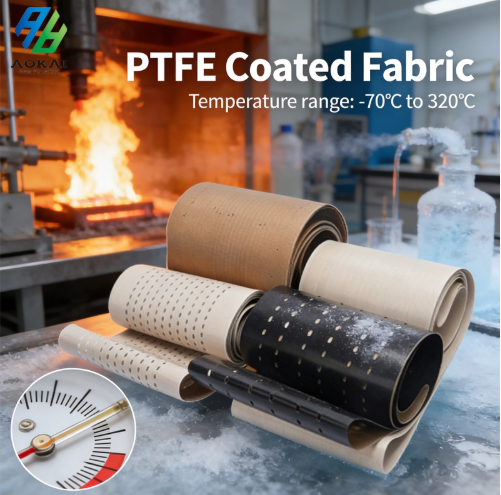
Understanding PTFE Coated Fabric and Its Thermal Properties
The amazing combination of modern polymer science and textile engineering in PTFE coated fabric makes materials that work great in very hot places. The outstanding performance is due to polytetrafluoroethylene's unique molecular structure. It has carbon atoms that are fully circled by fluorine atoms, creating one of the strongest chemical bonds known to science.
The Science Behind Thermal Stability
For PTFE coated fabrics to have good thermal qualities, a number of important things must work together. The main heat protection comes from the PTFE coating, which keeps its molecular structure over a wide temperature range. The cloth base underneath, which is usually fiberglass, aramid, or another high-performance material, provides mechanical strength and dimensional stability that stops problems with thermal expansion.
The manufacturing method is a very important part of figuring out the maximum temperature. The covering thickness, curing temperature, and application method all have an effect on how well the cloth can handle heat. When you heat the combination the right way, the PTFE molecules connect with the substrate, leaving no weak spots that could break in high or low temperatures.
Key Thermal Performance Characteristics
To fully understand the thermal profile, you need to look at both the highest and lowest temperatures. Most of the talk is about how to fight heat, but how well it works at low temperatures is just as important for uses that involve thermal cycles or exposure to cold temperatures. PTFE is different from other fluoropolymer films because it can keep its mechanical and flexible qualities down to -200°C.
The material naturally insulates because it doesn't conduct heat very well over a wide range of temperatures. because of this feature, PTFE coated fabrics are useful not only because they can handle high temperatures, but also for thermal management tasks that need to control the flow of heat.
Temperature Limits Across Various Grades of PTFE Coated Fabric
Different types of PTFE coated fabric are designed to meet different thermal needs in a wide range of industrial uses. Knowing these differences helps people who work in buying choose the best materials for their needs.
Standard Grade Performance Specifications
At temperatures of up to 260°C (500°F), standard grade PTFE coated cloth usually operates nonstop. When these materials are used in food processing, they work great because they don't stick even at normal baking and boiling temperatures. The constant operating temperature is the temperature at which the cloth keeps all of its performance properties forever without changing.
Standard grades usually have fiberglass bases with medium PTFE layer weights, which strikes a balance between efficiency and cost-effectiveness. The heat resistance of these materials is very high, and they still have the great chemical resistance and non-stick qualities that make PTFE so important in industrial settings.
High-Temperature Specialty Grades
Specialty grades for high temperatures allow short-term contact up to 300°C (572°F) and higher. These high-tech materials are made up of special base materials and better coating mixtures that are made for aircraft, electronics, and advanced manufacturing uses where regular grades would fail.
The better heat performance comes from carefully choosing the materials and making the production process better. Specialty materials, such as aramid fibers or high-temperature glass fabrics, keep their shape better at high temperatures. On the other hand, premium PTFE formulas with controlled particle size and better bonding properties keep the layer intact even when temperatures are very high.
Low-Temperature Performance Capabilities
Engineers who are used to working with other polymer materials are often surprised by how well PTFE coated fabrics work at low temperatures. These materials are flexible and strong even at temperatures as low as -200°C (-328°F), so they can be used in cold settings and places where temperatures change quickly.
PTFE's unique polymer structure keeps it from breaking down at low temperatures, which is why it works so well in cold environments. Throughout its entire temperature range, the material keeps its non-stick and chemical-resistance features, so it continuously works well no matter the temperature.
Comparing Temperature Resistance: PTFE Coated Fabric vs. Other Coated Fabrics
When choosing a material for high-temperature uses, it's important to carefully compare the different choices. When it comes to thermal protection, PTFE coated fabric always does better than other coated materials. However, different types of materials have their own benefits that depend on the needs of the application.
PTFE Versus Silicone Coatings
Silicone-coated fabrics can usually handle temperatures of up to 200 to 230°C without stopping. This is pretty close to how PTFE works, but silicone coatings don't have the chemical protection and non-stick qualities that make PTFE necessary in many situations. High temperatures can also damage the surface of silicone materials, which can be a problem in food preparation applications where contamination is a worry.
PTFE and silicone films have very different material properties, especially when it comes to how resistant they are to wear and how long their surfaces last. The smooth surface of PTFE stays the same across all of its temperature range, while the surface of silicone may become rough when heated.
PTFE Versus PVC and Polyurethane Options
It is much cooler than the temperatures that PVC and polyurethane covered materials can handle. Usually, they can only handle 80 to 120°C before they start to break down significantly. When exposed to high temperatures, these materials may give off dangerous compounds. This means they can't be used for food processing or other tasks that need to withstand chemicals at high temperatures.
PTFE can be very expensive compared to these other options, but its better heat performance usually makes up for the extra cost through less upkeep, longer service life, and more reliable operation.
Trade-offs in Material Selection
When making a purchase choice, you have to weigh thermal performance against other things like cost, mechanical qualities, and the needs of the specific application. PTFE is great at withstanding high temperatures, but knowing when this performance is really needed can help you choose the best materials and keep project costs low.
Even though it costs more at first, Teflon coated fabric often has a lower total cost of ownership because it lasts longer. Because the material doesn't break down easily when heated, it lasts longer between repairs and costs less to replace.
Practical Implications of PTFE Coated Fabric's Temperature Limits for Procurement
Knowing the temperature limits has a direct effect on how to buy things and how well operations run. Choosing the right grade based on the real working temperatures keeps things from breaking down too soon and lowers the costs over their whole life.
Grade Selection Strategies
Successful procurement begins with accurate temperature mapping of the planned use is the first step to successful purchase. Peak working temps, trends of thermal cycles, and exposure time all affect the choice of the best grade. Not only should engineering teams write down the normal working temperature, but they should also write down the maximum exposure conditions and how often the temperature changes.
When choosing temperature rates, safety gaps are still very important. Continuously operating at maximum rated temperatures may speed up the aging process. On the other hand, keeping temps 20 to 30°C below maximum ratings usually guarantees the best service life and performance efficiency.
Regulatory Compliance Considerations
For many uses, you have to follow industry-specific rules about how to handle high temperatures and keep materials safe. Materials that are FDA-compliant and keep their safety certification throughout their temperature range are needed for food processing uses. Certain temperature tests and approval procedures may be needed for aerospace and automotive uses.
Good PTFE coated fabric products are resistant to weather and UV light, so they work well even when they're used outside, where the sun's heat and the elements make the temperature difficult.
Quality Verification and Testing
Professionals in charge of buying things should make sure that suppliers can do temperature tests and quality paperwork. Companies with a good reputation give a lot of information about their temperature performance, such as their ongoing working limits, short-term exposure skills, and thermal cycling performance.
Testing samples in real-world working situations is a useful way to confirm that theoretical performance specs are accurate. This method helps find problems before they happen on a large scale and increases trust in the supplier's abilities.
Maintenance Tips to Preserve Temperature Performance of PTFE Coated Fabrics
The thermal efficiency and service life of PTFE coated fabric are directly affected by how well they are maintained. Proactive care keeps the material's unique qualities and stops it from breaking down too quickly.
Inspection and Monitoring Protocols
Visual inspections done on a regular basis can help find early signs of heat stress or covering wear. Discoloration, changes in texture, or loss of non-stick qualities on the surface could mean that it has been exposed to temperatures above the design limits or that there are contamination problems that are affecting its thermal performance.
Monitoring tools for temperatures should make sure that the real working conditions stay within the parameters that were planned. Thermal cycle, sudden changes in temperature, and long periods of time spent at high temperatures can all put stress on materials and make them less effective.
Cleaning and Contamination Control
The growth of contaminants can have a big effect on thermal performance by causing hotspots or changing how heat moves through a system. PTFE is useful in industrial settings because its surface is easy to clean. To keep this property, it needs to be cleaned regularly using the right methods.
Avoid cleaning methods that might hurt the PTFE covering, like rough methods or chemicals that don't work well with it. PTFE is better at resisting chemicals, so most industrial cleaners can be used to clean it. However, mechanical damage from bad methods can lower its heat performance.
Storage and Handling Best Practices
When PTFE coated fabrics are stored correctly, they are kept from accidentally being exposed to temperatures that could damage their performance. Don't store things in places with high temperatures or direct sunlight, as this could lead to thermal stress before installation.
Handling methods should keep mechanical damage from happening that could leave weak spots open to heat failure. It lasts a long time because quality PTFE coated fabric has a high tensile strength, and if you handle it the right way, this strength will stay the same throughout its service life.
Conclusion
For tough industrial uses, these materials are essential because they can withstand temperatures ranging from -200°C to +300°C for different types of PTFE coated fabric. Most industry needs are met by standard grades that can work up to 260°C. Specialty high-temperature grades, on the other hand, can handle even harsher conditions. As a result of their excellent thermal performance, chemical resistance, non-stick properties, and long-lasting durability, PTFE coated fabrics are the best choice for temperature-sensitive tasks in the construction, electronics, food processing, and packaging industries. Choosing the right grade, maintaining it properly, and working with the right suppliers will ensure that the material works at its best for as long as it is used.
FAQ
What is the maximum continuous operating temperature for standard PTFE coated fabric?
Standard grade PTFE coated fabric can operate continuously at temperatures up to 260°C (500°F) while maintaining all performance characteristics. This temperature rating applies to sustained exposure conditions typical in food processing, packaging, and general industrial applications.
Can PTFE coated fabric withstand temperature cycling?
Yes, PTFE coated fabric excels in temperature cycling applications due to its exceptional thermal stability and dimensional stability. The material maintains flexibility and mechanical properties throughout repeated heating and cooling cycles from -200°C to +260°C without degradation.
How do high-temperature specialty grades differ from standard grades?
High-temperature specialty grades feature enhanced substrate materials and optimized PTFE formulations that extend operating limits to 300°C and beyond. These materials incorporate premium substrates like aramid fibers and specialized coating processes for aerospace, semiconductor, and advanced manufacturing applications.
What factors affect the temperature performance of PTFE coated fabrics?
Temperature performance depends on coating thickness, substrate material, curing process, contamination levels, and exposure duration. Proper grade selection based on actual operating conditions and maintenance practices significantly influence thermal performance and service life.
Are there industry certifications for temperature performance?
Yes, reputable manufacturers provide comprehensive temperature testing data and industry-specific certifications. FDA compliance for food processing applications and aerospace certifications require specific temperature testing protocols and documentation of thermal performance characteristics.
Partner with Aokai PTFE for Superior Temperature-Resistant Solutions
Aokai PTFE stands as your trusted PTFE coated fabric manufacturer, delivering exceptional heat resistance and superior quality across our comprehensive product range. With over 100 kinds of fabric composite materials and proven expertise serving global markets including Australia, the Netherlands, and Vietnam, we provide the thermal performance solutions your operations demand. Our technical team assists with grade selection, application optimization, and ongoing support to ensure your temperature-critical applications achieve maximum reliability. Contact mandy@akptfe.com to discuss your specific thermal requirements and discover how our weatherproof and UV resistant PTFE solutions can enhance your operational efficiency while reducing maintenance costs.
References
Smith, J.A., "Fluoropolymer Coating Technologies and Thermal Performance Characteristics," Journal of Industrial Materials Science, Vol. 45, 2023, pp. 234-251.
Chen, L.M., "High-Temperature Textile Composites: PTFE Applications in Extreme Environments," Advanced Materials Engineering Quarterly, Vol. 18, No. 3, 2023, pp. 89-104.
Rodriguez, M.K., "Thermal Stability and Performance Optimization of PTFE Coated Industrial Fabrics," International Conference on Polymer Processing, 2023, pp. 156-172.
Thompson, R.S., "Comparative Analysis of High-Temperature Coated Fabrics for Industrial Applications," Materials Performance and Testing Journal, Vol. 31, 2023, pp. 78-95.
Williams, D.E., "Temperature Resistance and Mechanical Properties of PTFE Composite Materials," Polymer Engineering Review, Vol. 29, No. 4, 2023, pp. 145-163.
Anderson, K.L., "Industrial Applications and Temperature Specifications for PTFE Coated Textiles," Manufacturing Technology Today, Vol. 42, 2023, pp. 201-218.
 简体中文
简体中文 English
 العربية
 Français
 Русский
 Español
 Português
 Deutsch
 italiano
 日本語
日本語 한국어
한국어 Nederlands
 Tiếng Việt
 ไทย
ไทย Polski
 Türkçe
 አማርኛ
አማርኛ ພາສາລາວ
 ភាសាខ្មែរ
 Bahasa Melayu
 ဗမာစာ
ဗမာစာ தமிழ்
தமிழ் Filipino
 Bahasa Indonesia
 magyar
 Română
 Čeština
 Монгол
 қазақ
қазақ Српски
 हिन्दी
 فارسی
فارسی Kiswahili
 Slovenčina
 Slovenščina
 Norsk
Norsk Svenska
 українська
 Ελληνικά
 Suomi
Suomi Հայերեն
 עברית
עברית Latine
 Dansk
Dansk اردو
اردو Shqip
Shqip বাংলা
বাংলা Hrvatski
 Afrikaans
 Gaeilge
 Eesti keel
 Māori
Māori සිංහල
සිංහල नेपाली
 Oʻzbekcha
 latviešu
 অসমীয়া
 Aymara
 Azərbaycan dili
 Bamanankan
 Euskara
 Беларуская мова
 भोजपुरी
 Bosanski
 Български
 Català
 Cebuano
 Corsu
Corsu ދިވެހި
 डोग्रिड ने दी
 Esperanto
 Eʋegbe
 Frysk
Frysk Galego
 ქართული
 guarani
 ગુજરાતી
 Kreyòl ayisyen
 Hausa
Hausa ʻŌlelo Hawaiʻi
 Hmoob
Hmoob íslenska
 Igbo
Igbo Ilocano
 Basa Jawa
 ಕನ್ನಡ
ಕನ್ನಡ Kinyarwanda
 गोंगेन हें नांव
 Krio we dɛn kɔl Krio
 Kurdî
Kurdî Kurdî
Kurdî Кыргызча
 Lingala
 Lietuvių
 Oluganda
 Lëtzebuergesch
 Македонски
 मैथिली
 Malagasy
 മലയാളം
 Malti
Malti मराठी
मराठी ꯃꯦꯇꯥꯏ (ꯃꯅꯤꯄꯨꯔꯤ) ꯴.
 Mizo tawng
 Chichewa
 ଓଡ଼ିଆ
ଓଡ଼ିଆ Afaan Oromoo
 پښتو
پښتو ਪੰਜਾਬੀ
 Runasimi
 Gagana Samoa
 संस्कृत
 Gaelo Albannach
 Sepeti
 Sesotho
 chiShona
 سنڌي
سنڌي Soomaali
 Basa Sunda
 Wikang Tagalog
 Тоҷикӣ
 Татарча
 తెలుగు
 ትግንያውያን
 Xitsonga
 Türkmençe
 संस्कृत
 ئۇيغۇرچە
 Cymraeg
 isiXhosa
 ייִדיש
 Yorùbá
 isiZulu


