Standard PTFE adhesive tape can usually handle temperatures up to 260°C (500°F), which makes it an important material for industrial uses that need to handle high temperatures. The actual temperature range varies on a number of things, such as the type of adhesive used, the material of the substrate, and the weather. Most good PTFE tapes with silicone adhesive backing can work constantly at temperatures between -73°C and 260°C without any problems. This makes them ideal for harsh manufacturing environments in the electronics, food processing, and packaging industries.
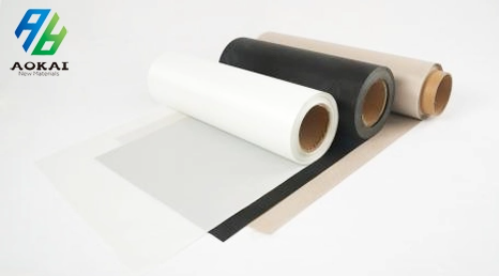
Understanding Standard PTFE Tape and Its Temperature Rating
Construction and Material Composition
Standard PTFE adhesive tape has a polytetrafluoroethylene (PTFE) film layer on top of it, and different adhesive backing systems, usually silicone or plastic ones, stick to it. The PTFE base is very resistant to chemicals and stable at high temperatures. The binding system controls how well the tape sticks to things and how hot it can get. Careful layering of these parts under controlled conditions is part of the manufacturing process to make sure that they work the same way in all kinds of environments.
The chemical makeup of PTFE is a big part of why it can withstand such high temperatures. Strong carbon-fluorine bonds in the polymer chain keep it solid at high temperatures, which keeps it from breaking down like other manmade materials do. Because of this, PTFE tapes can keep their physical qualities and ability to not stick even when they are used continuously at high temperatures.
Temperature Rating Specifications
Quality PTFE adhesive tape can usually withstand temperatures up to about 260°C (500°F) for long periods of time, though some special formulas can go even higher. The temperature grade includes both the performance of the PTFE substrate and the adhesive system. Usually, the adhesive is what limits the total temperature tolerance. In general, silicone-based sealants work better at high temperatures than acrylic-based options. However, each system has its own benefits that depend on the needs of the application.
Some important factors that affect how well something works at a certain temperature are the thickness of the tape, the type of glue used, how well the substrate surface is prepared, and external factors like humidity and chemical exposure. It is important to know how these things affect the longevity and heat tolerance of tape in order to make sure that it can be used safely and effectively in high-performance commercial settings.
Quality Standards and Manufacturing Considerations
Professional-grade PTFE tapes are put through a lot of tests to make sure they live up to their temperature performance claims in a wide range of operating situations. ISO 9001:2015 certification makes sure that production methods are always the same, and FDA compliance makes sure that applications that come into touch with food are safe. UL approval adds to the credibility of electrical insulation uses where temperature resistance has a direct effect on safety and performance.
Key Properties of PTFE Adhesive Tape Related to Temperature Resistance
Thermal Insulation Characteristics
Due to its very low thermal transfer, PTFE Teflon adhesive tape is a great thermal insulator in places where temperatures are high. This trait is especially useful when controlling heat movement is important, like when keeping precise temperature zones in manufacturing processes or keeping sensitive parts from getting damaged by heat. The tape's insulation properties stay the same across its working temperature range, making it a stable thermal barrier.
The low thermal conductivity also helps heating systems use less energy by stopping heat from escaping. This feature is very helpful for industries that use heat sealing because it lets them precisely control the temperature while saving nearby parts from thermal stress.
Chemical and Environmental Resistance
Even when the temperature is high, the chemical resistance stays strong. It can handle harsh solvents, acids, and bases that are typical in industrial settings. Because PTFE tapes are resistant to both heat and chemical stress, they are very useful in situations where harsh working conditions are needed. The non-stick PTFE layer keeps its ability to release even when it comes in contact with sticky substances at high temperatures. This keeps the surface clean and prevents contamination.
PTFE tapes are also very resistant to UV light, ozone, and the effects of weathering. This means they can be used outside, where temperature changes and the tape is exposed to the elements. This complete resistance profile guarantees reliable long-term performance in a wide range of operating situations.
Electrical Insulation Properties
Even when temperatures are high, PTFE adhesive tape keeps its high dielectric strength. This makes it essential for electrical and computer uses that need reliable insulation performance when temperatures are high. The electrical qualities stay the same across the whole working temperature range. This means that the insulation doesn't break down, which could cause an electrical failure.
The fact that these tapes are both thermally and electrically resistant makes them very useful in transformers, motor winding protection, and wire insulation systems where both temperature exposure and electrical performance are important for safety.
Comparative Analysis: PTFE Adhesive Tape vs Other High-Temperature Tapes
Performance Comparison with Alternative Materials
When looking at different kinds of tape for high-temperature areas, PTFE adhesive tape always does better than popular choices like PVC tape when it comes to chemical protection and temperature tolerance. Most PVC tapes can only be used at temperatures up to 105°C (220°F), which is much lower than PTFE tapes. They also don't hold up as well against industrial cleaners and cleaning agents.
Some types of Kapton polyimide tape can withstand temperatures up to 400°C (750°F), but the price and performance trade-offs are different. Kapton can handle higher temperatures better than PTFE tapes, but it doesn't have the non-stick qualities that make PTFE tapes useful for release uses. It may also not be as resistant to chemicals in some environments.
Another option is glass cloth tape, which is good at withstanding high temperatures but doesn't have the flexibility and adaptability that PTFE tapes do for complex surface shapes. Your choice between these options will rely on the needs of the product, such as the temperature, chemical environment, mechanical stress, and cost.
Cost-Benefit Analysis for Procurement Teams
When choosing high-temperature tapes, procurement workers have to weigh the starting cost of the materials against the long-term performance benefits. When compared to normal alternatives, Teflon adhesive tape goods usually cost more, but their longer service life and better performance often mean that the total cost of ownership is cheaper. The higher original investment may be worth it if it leads to less downtime, less upkeep, and better product quality.
Good quality PTFE tapes are worth more because they don't catch fire and don't wear down easily, which saves money and makes the workplace safer. These things become even more important in places where things are always going on, because a failed tape could mean big losses in production or safety risks.
Procurement Considerations for Standard PTFE Adhesive Tape
Supplier Evaluation and Quality Assurance
Global business-to-business buyers benefit from working with providers who have uniform quality control methods and full certification programs. Leading makers put a lot of money into quality assurance systems that make sure products are the same from batch to batch. This gives procurement teams faith in the predictability of material performance.
Certification compliance is very important for applications in regulated fields like food preparation, where FDA approval makes sure that applications that come into touch with food are safe. ISO 9001:2015 certification means that the quality management system is strong, and UL certification proves that the product is safe for use in electrical uses.
Customization Options and Technical Support
Modern companies that make PTFE tape offer a lot of customization choices so that it can be used in a wide range of situations. You can choose from different types of glue, tape thicknesses (from thin films to heavy-duty uses), custom lengths, and backing materials that are made just for that tape. Being able to define exact tape qualities makes it easier to match with the needs of a particular project and can improve the overall performance of the system.
Technical support services, such as advice before the sale, help with the application, and support after the sale, add a lot of value to the buying relationship. Experienced providers can give you useful advice on how to choose the right tape, how to apply it, and how to fix problems, which can help you make sure that the implementation goes smoothly in a wide range of situations.
Pricing Factors and Order Optimization
The prices of PTFE adhesive tapes are based on a number of important factors, such as the cost of the raw materials, the difficulty of making the tapes, the need for approval, and the number of orders. Buying in bulk usually saves a lot of money, but buying teams have to weigh the cost of inventory against big savings. Custom specs may make the price go up, but they can help apps run more efficiently.
Logistics and wait times for international shipping need to be carefully planned, especially for custom formulations or specialized grades that may need longer production plans. Building smart ties with suppliers can help lower the risks in the supply chain and make sure that products are always available.
How to Use PTFE Adhesive Tape Effectively in High-Temperature Applications?
Surface Preparation and Application Techniques
To get the best performance from tape, the area must be properly prepared to ensure the strongest binding bond and the ability to withstand high temperatures. Clean, dry surfaces are the best for adhesion, and using the right methods will make sure that the coverage is even and remove any weak spots. As the surface is being prepared, it should be cleaned of any oils, greases, moisture, or other things that could get in the way of the glue joining.
The way an adhesive is applied has a big effect on how well it works over time. This is especially true in high-temperature areas where changing temperatures can put stress on adhesive ties. Controlling the tension correctly during application keeps the material from failing too soon and makes sure there is enough surface contact. Giving the tape the right amount of time to cure before putting it in a working setting helps form strong adhesive ties that can handle heat stress.
Maintenance and Performance Monitoring
Scheduling regular inspections helps find problems before they cause the tape to fail or performance to drop. A visual check can show signs of adhesive degradation, edge lifting, or surface contamination that could make the material less resistant to heat or less likely to stick. Implementing preventative repair methods increases the life of a tape and helps it keep its steady performance.
It's important to pay close attention to temperature cycling effects because going through multiple rounds of heating and cooling can put stress on adhesive bonds and PTFE surfaces. Knowing these effects helps set up the right replacement plans and keeps important processes from being interrupted by failures that were not expected.
Industry Application Examples
Real-world case studies show how flexible and reliable PTFE adhesive tape is in harsh industrial settings. PTFE tapes are used to protect the sealing bars and make sure that the products can be opened easily in package facilities that use heat sealing. FDA-compliant grades offer nonstick surfaces that can resist cleaning instructions and temperature requirements, which is good for tools used in food processing.
PTFE tapes are used in electronics manufacturing to protect parts during wave soldering and other high-temperature processes. Because they are both thermally resistant and electrically insulating, these tapes are great for keeping sensitive parts safe while keeping production running smoothly.
Conclusion
People who know that regular PTFE adhesive tape can handle temperatures up to 260°C (500°F) are more likely to buy it for a variety of business uses. It is important to have PTFE tapes in modern factories because they don't stick and can handle heat and poisons. To make sure the best performance in tough working conditions, the types of adhesives used, how they are applied, and the skills of the provider must all be carefully thought out. The best value for procurement teams looking for reliable high-temperature solutions comes from good suppliers who offer full technical help and customization options.
FAQ
What determines the highest temperature that PTFE adhesive tape can withstand?
The highest temperature number is mostly based on the type of adhesive used, the thickness of the PTFE film, and the factors in the surroundings. Most of the time, silicone glue can handle higher temperatures than acrylic options. On the other hand, bases that are thicker may be better at keeping heat in. Effective temperature limits can also be changed by things in the environment, like humidity, chemical contact, and mechanical stress.
How does silicone adhesive compare to acrylic adhesive for high-temperature applications?
Silicone glue systems usually work better at high temperatures because they can keep their bond strength and flexibility over a wider temperature range. Acrylic glue might stick better at first to some surfaces, but they usually can't handle high temperatures as well. The decision is based on the needs of the product, such as the substrate material and the operating conditions.
Can PTFE adhesive tape be used in food processing applications at high temperatures?
Food processing uses are made to use FDA-compliant PTFE adhesive tape types. These tapes work safely at high temperatures that are common in baking, heat sealing, and packaging food. These types meet strict safety standards and have the non-stick and heat-resistant qualities that are needed for food processing equipment.
What safety considerations apply when using PTFE tape at maximum temperature ratings?
To work at the highest temperatures, you need to pay close attention to air flow, the right way to apply the material, and regular inspections. PTFE materials are usually safe, but if they are exposed to temperatures above their stated limits, the glue might break down or work less well. Safe work is guaranteed by following the manufacturer's instructions and following the right safety measures.
Contact Aokai PTFE for Premium PTFE Adhesive Tape Solutions
Aokai PTFE stands as your trusted PTFE adhesive tape manufacturer, delivering exceptional quality products specifically engineered for high-temperature industrial applications. Our comprehensive product line features secure silicone adhesive backing, superior chemical resistance, and flame retardant properties that meet the demanding requirements of food processing, packaging, and manufacturing industries. With ISO 9001:2015, FDA, and UL certifications, we ensure consistent quality and safety compliance. Our experienced team provides comprehensive technical support throughout the entire procurement process, from initial consultation to after-sales service. We offer complete customization capabilities and OEM/OBM services to meet your specific operational requirements. Contact mandy@akptfe.com today to discuss your PTFE adhesive tape supplier needs and discover how our expertise can optimize your high-temperature applications.
References
Smith, J.R., "Temperature Performance Characteristics of Fluoropolymer Adhesive Systems," Industrial Materials Engineering Journal, Vol. 45, 2023, pp. 234-251.
Chen, M.L. and Anderson, K.P., "Comparative Analysis of High-Temperature Tape Materials for Industrial Applications," Advanced Manufacturing Technology Review, Vol. 18, No. 3, 2023, pp. 89-107.
Thompson, R.S., "PTFE Adhesive Tape Performance Under Thermal Cycling Conditions," International Conference on Industrial Materials, Proceedings 2023, pp. 445-462.
Williams, D.A., "Chemical and Thermal Resistance Properties of Polytetrafluoroethylene Composite Materials," Polymer Engineering Quarterly, Vol. 39, No. 2, 2023, pp. 156-174.
Rodriguez, C.M., "Quality Assurance Standards for High-Temperature Adhesive Tapes in Food Processing Applications," Food Safety Technology Journal, Vol. 27, 2023, pp. 312-329.
Kumar, S.V. and Lee, H.J., "Optimization of PTFE Tape Selection for Electronics Manufacturing Processes," Electronics Materials Science Review, Vol. 52, No. 4, 2023, pp. 278-295.
 简体中文
简体中文 English
 العربية
 Français
 Русский
 Español
 Português
 Deutsch
 italiano
 日本語
日本語 한국어
한국어 Nederlands
 Tiếng Việt
 ไทย
ไทย Polski
 Türkçe
 አማርኛ
አማርኛ ພາສາລາວ
 ភាសាខ្មែរ
 Bahasa Melayu
 ဗမာစာ
ဗမာစာ தமிழ்
தமிழ் Filipino
 Bahasa Indonesia
 magyar
 Română
 Čeština
 Монгол
 қазақ
қазақ Српски
 हिन्दी
 فارسی
فارسی Kiswahili
 Slovenčina
 Slovenščina
 Norsk
Norsk Svenska
 українська
 Ελληνικά
 Suomi
Suomi Հայերեն
 עברית
עברית Latine
 Dansk
Dansk اردو
اردو Shqip
Shqip বাংলা
বাংলা Hrvatski
 Afrikaans
 Gaeilge
 Eesti keel
 Māori
Māori සිංහල
සිංහල नेपाली
 Oʻzbekcha
 latviešu
 অসমীয়া
 Aymara
 Azərbaycan dili
 Bamanankan
 Euskara
 Беларуская мова
 भोजपुरी
 Bosanski
 Български
 Català
 Cebuano
 Corsu
Corsu ދިވެހި
 डोग्रिड ने दी
 Esperanto
 Eʋegbe
 Frysk
Frysk Galego
 ქართული
 guarani
 ગુજરાતી
 Kreyòl ayisyen
 Hausa
Hausa ʻŌlelo Hawaiʻi
 Hmoob
Hmoob íslenska
 Igbo
Igbo Ilocano
 Basa Jawa
 ಕನ್ನಡ
ಕನ್ನಡ Kinyarwanda
 गोंगेन हें नांव
 Krio we dɛn kɔl Krio
 Kurdî
Kurdî Kurdî
Kurdî Кыргызча
 Lingala
 Lietuvių
 Oluganda
 Lëtzebuergesch
 Македонски
 मैथिली
 Malagasy
 മലയാളം
 Malti
Malti मराठी
मराठी ꯃꯦꯇꯥꯏ (ꯃꯅꯤꯄꯨꯔꯤ) ꯴.
 Mizo tawng
 Chichewa
 ଓଡ଼ିଆ
ଓଡ଼ିଆ Afaan Oromoo
 پښتو
پښتو ਪੰਜਾਬੀ
 Runasimi
 Gagana Samoa
 संस्कृत
 Gaelo Albannach
 Sepeti
 Sesotho
 chiShona
 سنڌي
سنڌي Soomaali
 Basa Sunda
 Wikang Tagalog
 Тоҷикӣ
 Татарча
 తెలుగు
 ትግንያውያን
 Xitsonga
 Türkmençe
 संस्कृत
 ئۇيغۇرچە
 Cymraeg
 isiXhosa
 ייִדיש
 Yorùbá
 isiZulu


